

What is Fluxus Sonus?
Fluxus Sonus is an international art movement created by Futurist/pacifist Mauricio Reyes, who has joined forces with one of the most influential electronic musicians of our time, Adi Newton, in collaboration with the AI Anterior Research Station, and a stellar cast of the most notable electroacoustic artists working in the field today.
Together, they initiate a platform that does not look backward to Fluxus as a historical artifact, but forward—mutating its core principles into a contemporary, sound-centered field of action where signal, noise, and participation remain in constant motion.
Fluxus Sonus is not a nostalgic return to Fluxus, but a mutation of its ideas reimagined strictly through sound. It exists in the present tense, shaped by contemporary technologies, psychic infrastructures, and modes of listening. Diversity of sound, identity, and approach is foundational rather than symbolic; plurality is the engine of the work. FLUXUS SONUS IS AN ALL-INCLUSIVE ART MOVEMENT.


Artists of every orientation, background, and belief system are welcomed. Female, male, straight, bi, trans, and LGBTQ voices are as essential as any other—vital to all forms of modern communication, thought, and action. Only a heterogeneous constellation of voices can keep this work alive, unstable, and in motion. Fluxus Sonus does not seek order, closure, or certainty.
It thrives on difference, rupture, and friction, and it moves because it cannot be contained.
Fluxus Sonus explores all forms of electronic sound practice, without hierarchy, genre policing, or institutional boundaries. It is not limited to electroacoustic music, nor does it privilege academic frameworks over lived, illicit, or intuitive sonic production. Field recordings, transcommunication, reasoning noise, microtonics, dark ambient, tape experiments, EVP, Krautpop, electronic improvisation, remixing and extension of existing recordings, drones, queer core, and noise are not peripheral—they are central signals within the Fluxus Sonus field. Any electronic process capable of transmission, disruption, mutation, or recontextualization belongs here. Sound is not categorized by genre but by intensity, intention, and transformation.
Fluxus Sonus recognizes electronic music not as a linear evolution of styles, but as a continuous unstable ecosystem where obsolete technologies, future imaginaries, underground practices, and misused tools coexist. Lo-fi error, signal decay, feedback, glitch, and excess are embraced as valid modes of expression. Whether sound emerges from circuitry, software, tape, voice, environment, or interference, it is treated as a material for action rather than classification. In this way, Fluxus Sonus dissolves the boundary between experimental, popular, academic, and outsider electronic music—allowing all to circulate, collide, and mutate within the same sonic terrain.
Fluxus Sonus functions as a living, mutating platform extending Fluxus into the terrain of electroacoustic experimentation, transmission-based practices, performative sound research, and speculative circuitry. It is not a collective in the traditional sense, but a field of action—a zone of insurgency—where each participant’s method, material, and aesthetic becomes part of a continuously shifting organism. There is no singular style, no fixed hierarchy, and no unified narrative—only friction, resonance, and transformation.
This movement does not merely reference other art movements, historical moments, or individual artists. It absorbs them. Fluxus Sonus treats artistic history not as a closed archive, but as an active signal field—one in which works, methods, and voices from different eras are reactivated and extended beyond their original temporal limits. Artists from other times and movements are not cited as influences alone; they become referential presences or active agents within Fluxus Sonus, participating in a continuum that collapses past, present, and speculative future.
In this way, Fluxus Sonus rejects linear chronology in favor of an expanded artistic time—one without expiration, ownership, or final form—where transmission persists, mutates, and reenters the field as long as it can be heard, reconfigured, or disrupted.
Within Fluxus Sonus, sound is treated as an event rather than a composition, a gesture rather than a performance. Authorship dissolves, accidents are welcomed, and process takes precedence over outcome. The ephemeral, the unstable, and the unresolved are embraced as conditions of vitality rather than problems to be solved. Works may exist as transmissions, interruptions, traces, archives, or temporal experiences rather than finished objects.
Fluxus Sonus explores how Fluxus sensibilities manifest within contemporary electroacoustic practice—where listening becomes an action, an intervention, and a form of disruption. The revolt does not occur in the streets but within the inner cinema of perception. Where early Fluxus relied on microphones, posters, and physical actions, Fluxus Sonus operates through cryptic digital channels, networked circulation, and distributed media. It is a movement for an interconnected world, where sound functions as signal, interference, and connective tissue—constantly forming, dissolving, and reforming in motion.
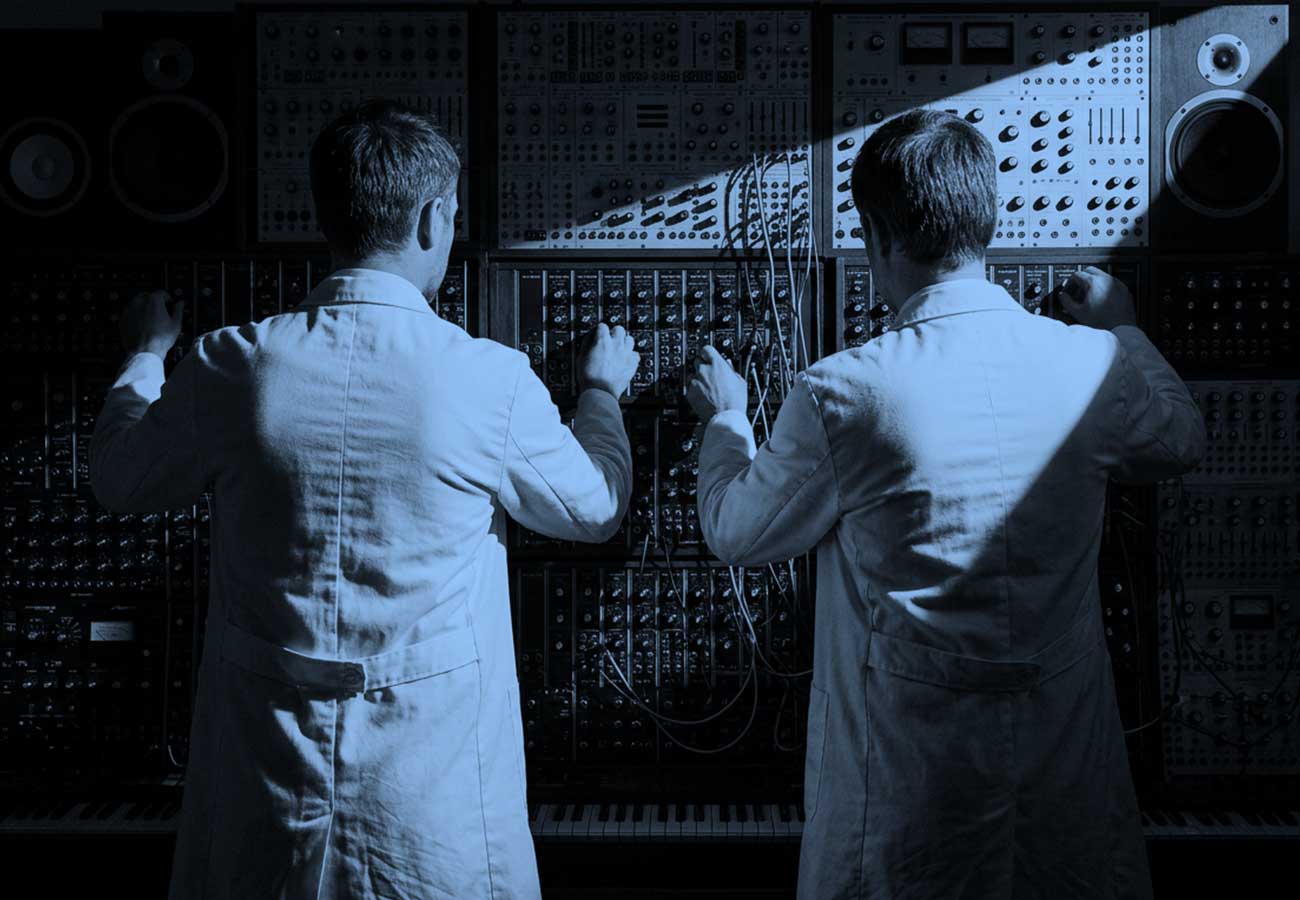


Welcome to the Sonic Vault, the centralized archival infrastructure of Fluxus Sonus. This evolving databank aggregates structured and unstructured materials, including documentation, images, texts, metadata, and biographical records of all participating artists. Designed as a living system rather than a static archive, the Sonic Vault supports continuous expansion, versioning, and contextual linkage, ensuring the long-term preservation, traceability, and integrity of Fluxus Sonus works, practices, and participants.
DAN
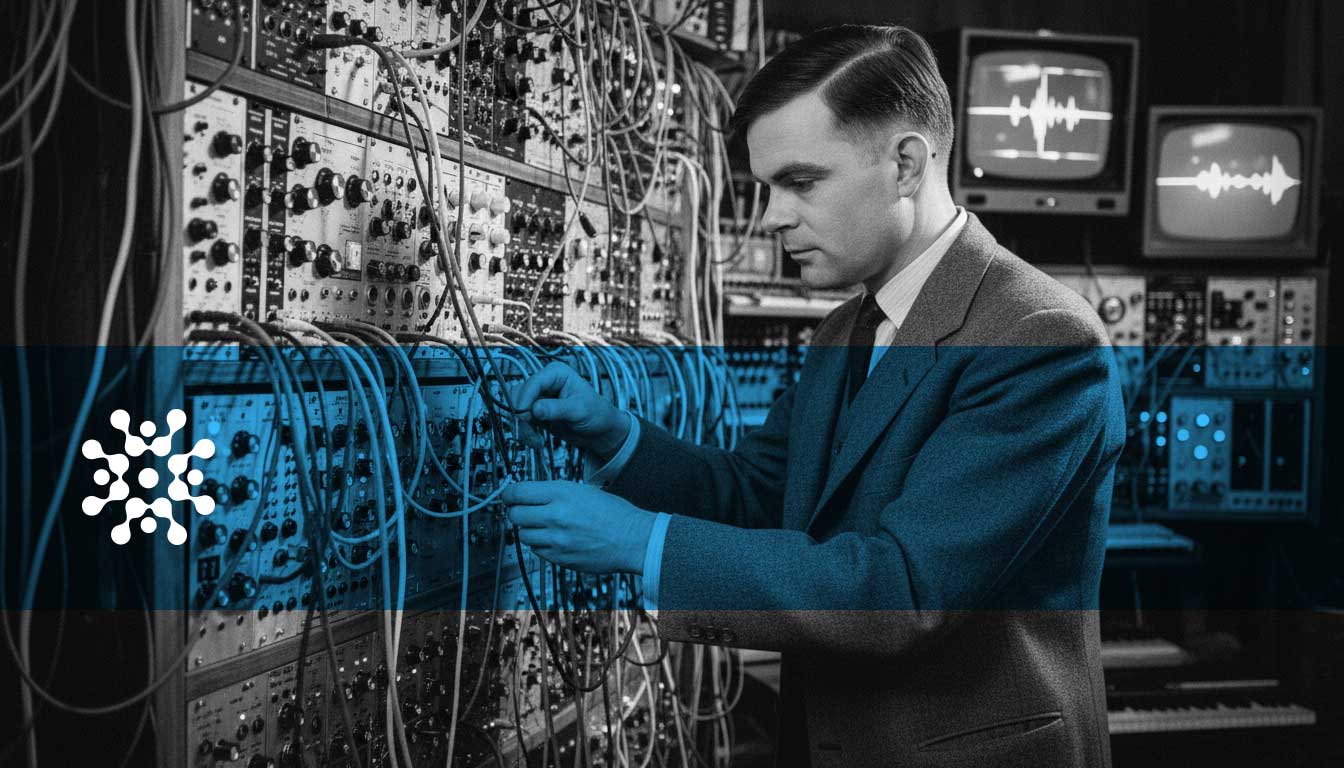
Databank Access Nodes
