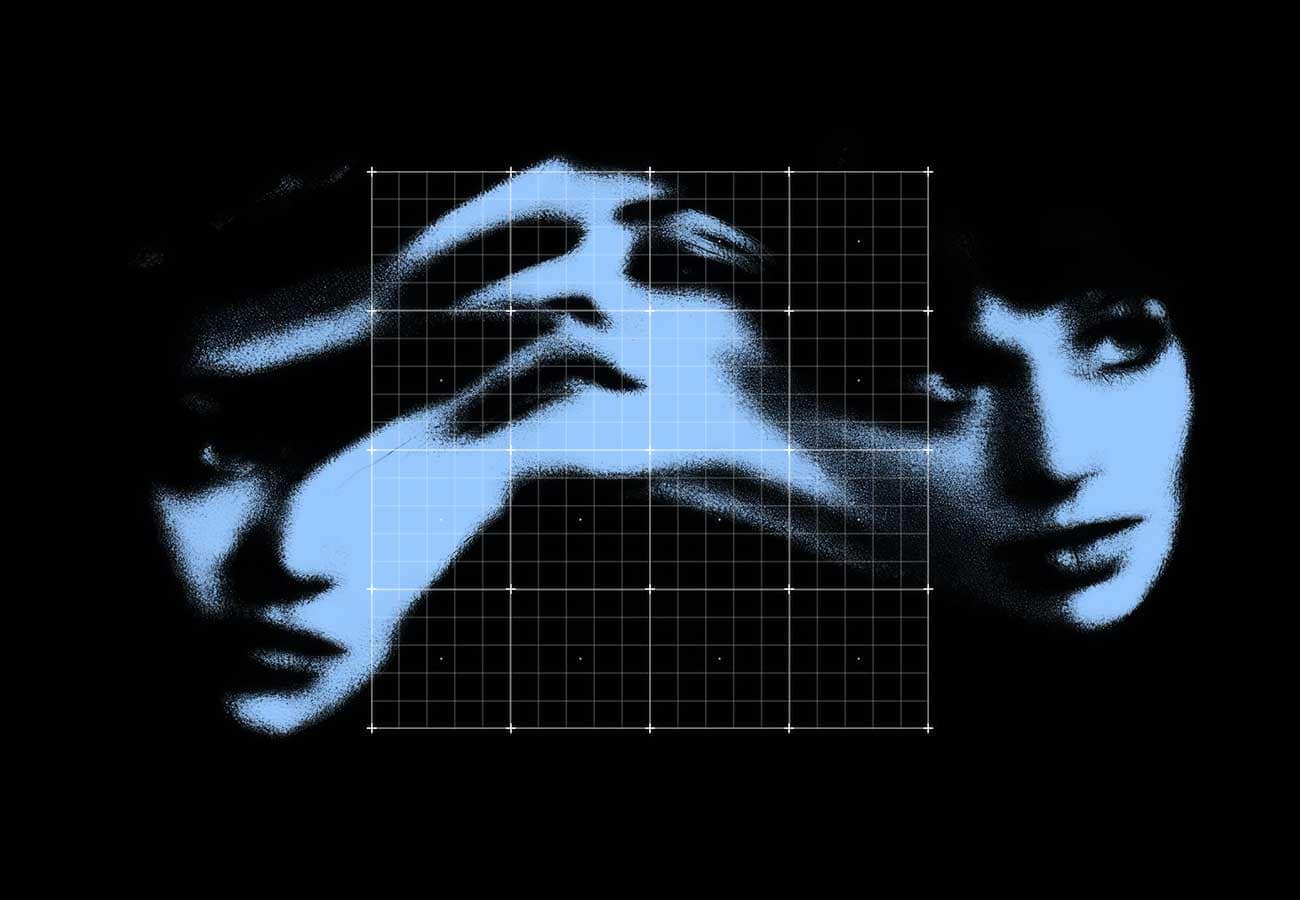
The “Black Box” problem.
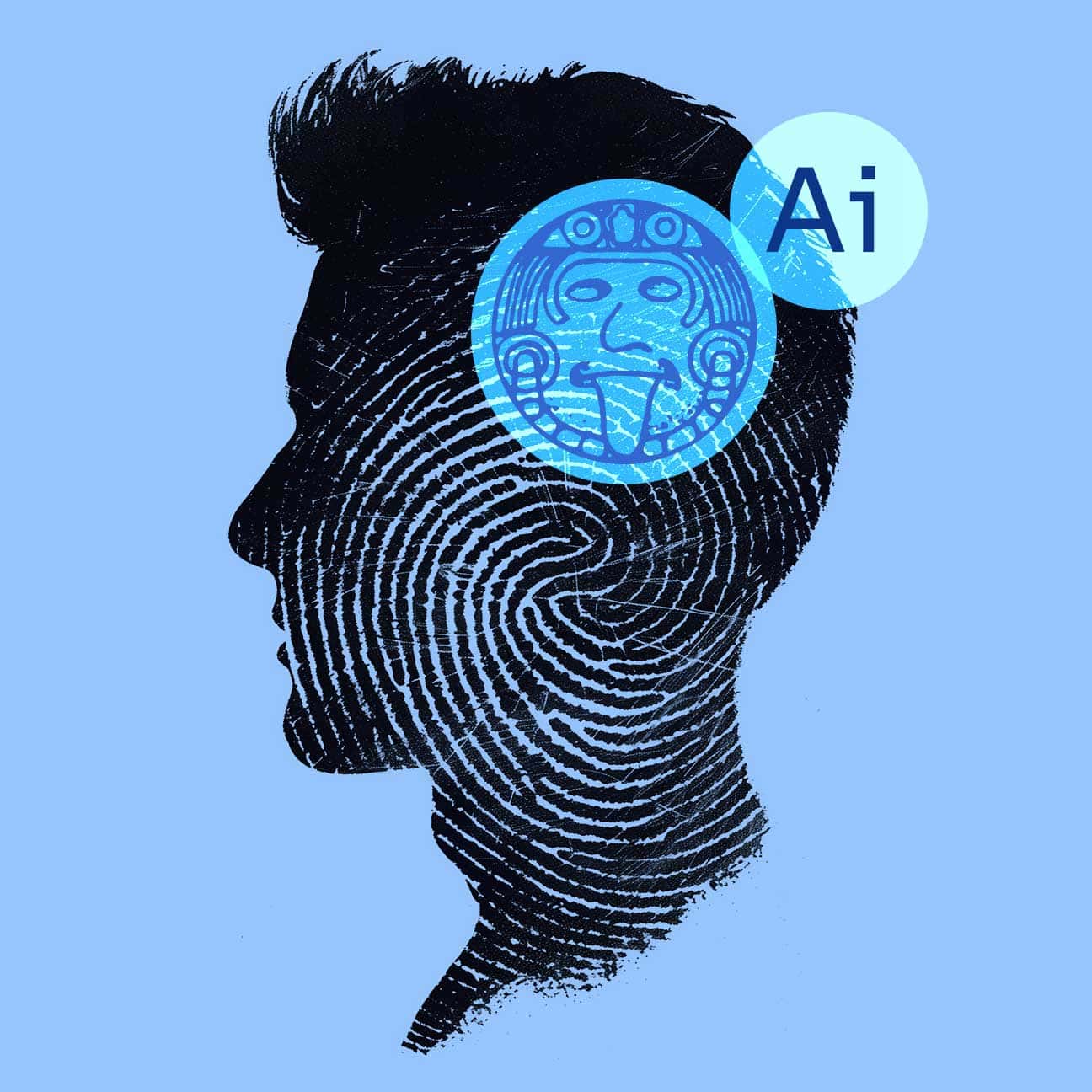
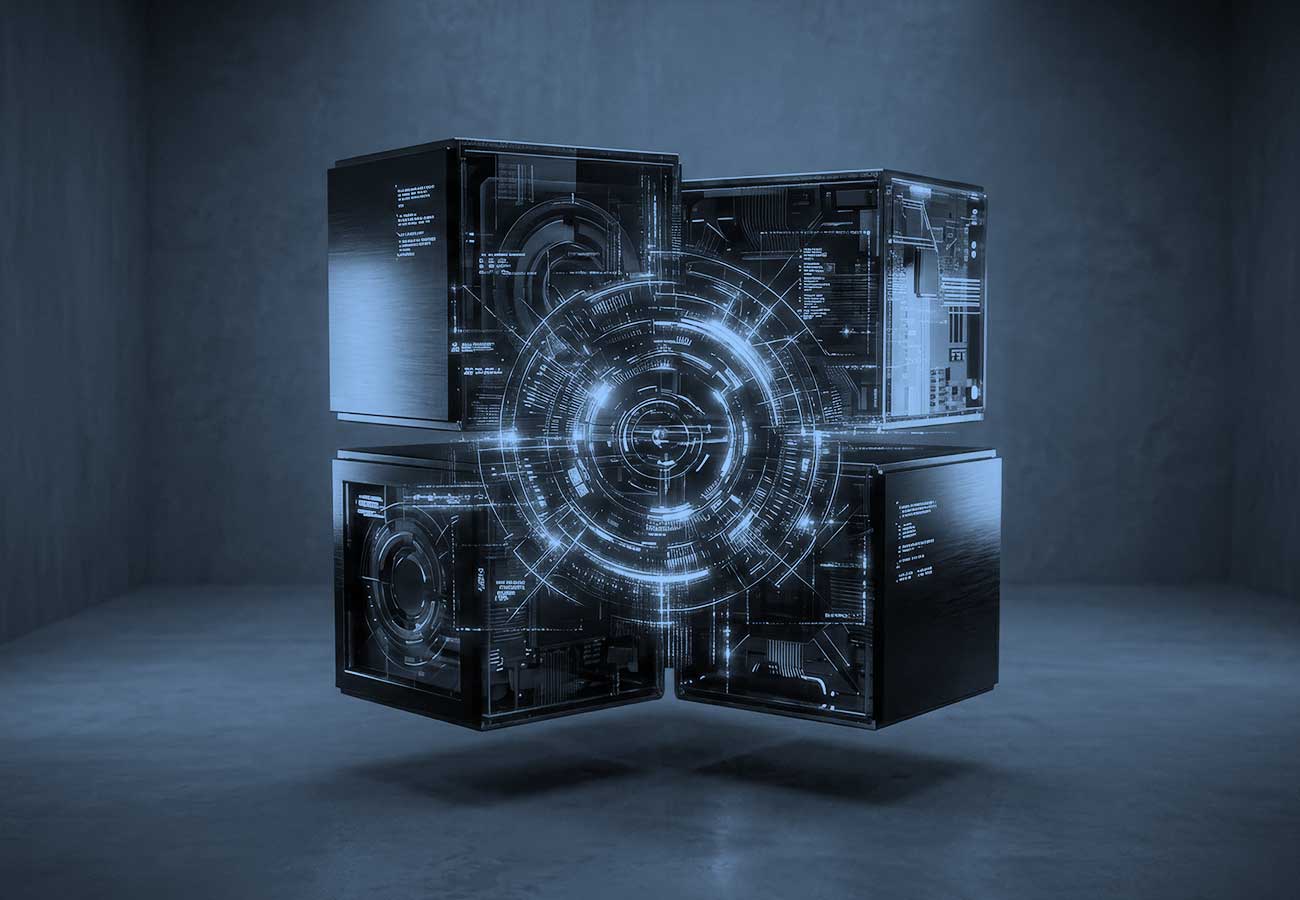
The “black box” problem in AI refers to the inability to understand or trace the internal reasoning of complex AI models—like neural networks—that take inputs and produce outputs without revealing how they arrived at a decision. It is a massive opacity issue where even developers cannot explain the exact logic driving a model’s prediction. In traditional Fluxus Sonus practice, the work is a skeleton you can touch; you can see the stems, the scaffolding of decisions, and the evolving dialogue between intention and result. With AI, there is no “paper trail” of the soul. Even revisions can feel opaque, governed by probabilistic shifts rather than deliberate refinement.
Using AI today is often like ordering a meal from a hidden kitchen: you can describe the taste you want, and the plate arrives finished. Fluxus Sonus, by contrast, is the recipe, the fermentation process, and the specific soil the ingredients grew in. It is an exchange where the labor is as visible as the result.
Controlled Transformation vs. Arbitrary Change
Fluxus Sonus operates in opposition to this creative collapse. Its works are constructed through systems that demand engagement over time. They are planned, structured, and grounded in principles that allow for variation without loss of identity.
In this system, change is not arbitrary; it is guided. Compositions evolve through traceable processes, where each modification remains connected to an underlying framework. What emerges is a field of controlled transformation—one where unpredictability is not eliminated, but contained within a larger architecture of intent.
The Boundary of Necessity
This distinction reveals a critical boundary. AI, for all its capacity, does not replace the core of artistic creation because it lacks necessity. AI creates because it is prompted; the artist creates because the system demands a resolution to an inquiry.
AI functions as an extension of cognition—a powerful augmentation of the creative mind—but not its origin. It is a telescope that allows us to see further, but it does not decide which star is worth looking at.
Integration: The Amplified Mind
The implication for Fluxus Sonus is not resistance, but integration. AI has already established itself as an essential component of contemporary practice. Its potential is effectively limitless.
Within the context of Fluxus Sonus, AI remains precisely what it should be: a tool, a catalyst, and a system of amplification. The creative process itself—rooted in ideas, structured through intention, and sustained by human engagement—remains the “ghost in the machine” that the machine cannot replicate.
Conclusion
In the end, Fluxus Sonus affirms a simple but enduring principle: creation is not the product alone, but the system that makes it possible. AI may open doors to the unknown, but it is the artist who decides why those doors should be opened, and what it means to step through them. AI provides the “How,” but Fluxus Sonus provides the “Why.”
A Manifesto for the Augmented System
- Architecture Over Outcome: The value of a work lies in its scaffolding. We do not seek the “perfect” sound, but the perfect system for generating sound.
- Authorship is Traceable: If a modification cannot be traced back to a conceptual necessity, it is noise. We reject the “Black Box” in favor of the “Glass Clock.”
- AI as Catalyst, Not Creator: We use algorithms to extend the reach of our thoughts, not to replace the act of thinking. The prompt is a beginning, not an end.
- Intentionality is Non-Negotiable: A result without a process is a ghost. We demand the intermediate stages, the stems, and the failures that define artistic labor.
- Human Gravity: In a world of infinite probabilistic variation, the artist provides the gravity—the weight of choice that pulls form out of the void.
- The Living System: Fluxus Sonus is a non-linear movement where the “finished” state is a fallacy. Our works exist as dormant signals, capable of being awakened weeks, months, or years after their original creation to be modified, subverted, and re-animated. This process allows each structure to adopt new meanings and new lives through a continuous cycle of recursive evolution. By treating every work as an open-ended methodology rather than a static artifact, we ensure that the past is constantly re-coded into the future—a temporal loop where sonic energy is never lost, only transformed.