

I. The Analog Era: Tangible Sound (1940s–1970s)
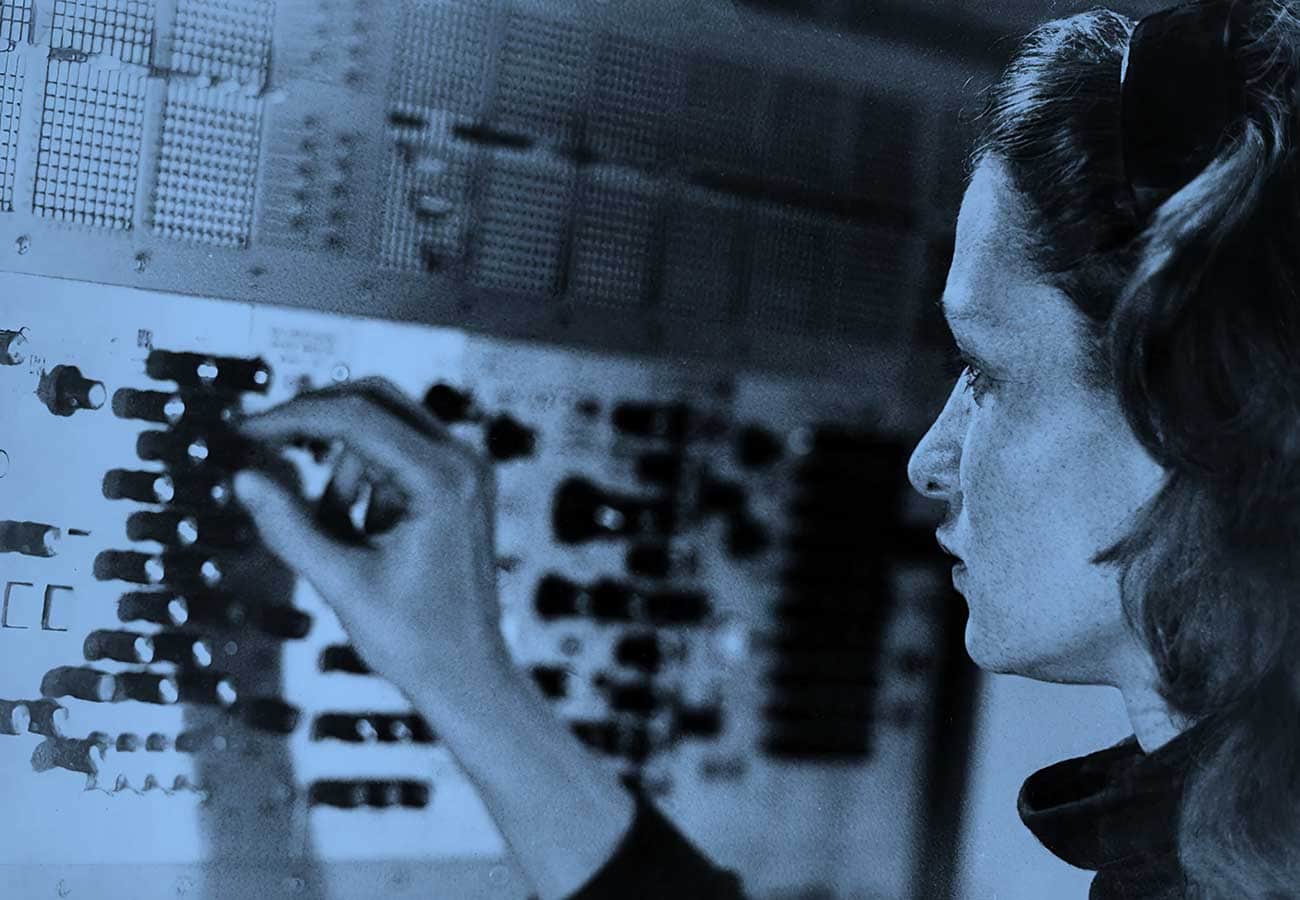
In the early days, “composing” was a physical labor involving razor blades, adhesive tape, and massive reel-to-reel machines.
Musique Concrète & Found Sound: Pioneered by Pierre Schaeffer, this technique treated environmental recordings—train whistles, spinning tops, or birdsong—as “concrete” objects. Instead of writing a score for a violin, the composer “sculpted” the recorded sound.
Tape Splicing & Looping: To create a rhythm or a repeating texture, a composer would literally cut a piece of magnetic tape and tape the ends together to create a physical loop that ran through the machine repeatedly.
Speed & Direction Manipulation: By manually slowing down a tape (Varispeed) or playing it backward, composers discovered entirely new timbres hidden within a single sound. A bell slowed down significantly could become a deep, metallic drone.
Environmental Context: Early “organic” methods relied on high-quality field recordings. Pioneers like Luciano Berio used the human voice as a raw material, treating phonemes not as language, but as frequency data to be chopped and rearranged.
II. The Digital Era: Virtual Sound (1980s–Present)
Today, the razor blade has been replaced by the algorithm. Modern technology allows for a level of precision that the early pioneers could only dream of.
Granular Synthesis: If tape music was about cutting long strips of sound, granular synthesis is about shattering sound into “grains” lasting only milliseconds. These grains can be rearranged, layered, and “frozen” in time to create lush, shimmering clouds of sound.
Spectral Processing: Using Fast Fourier Transform (FFT), modern composers can look “inside” a sound’s frequency spectrum. This allows them to isolate and manipulate specific overtones or remove certain frequencies without affecting the rest of the sound—a feat impossible with analog filters.
Algorithmic & Generative Composition: Modern tools allow for “self-composing” systems. A composer might set up a set of rules (an algorithm) that dictates how a sound should evolve, allowing the computer to create complex, ever-changing textures that never repeat exactly.
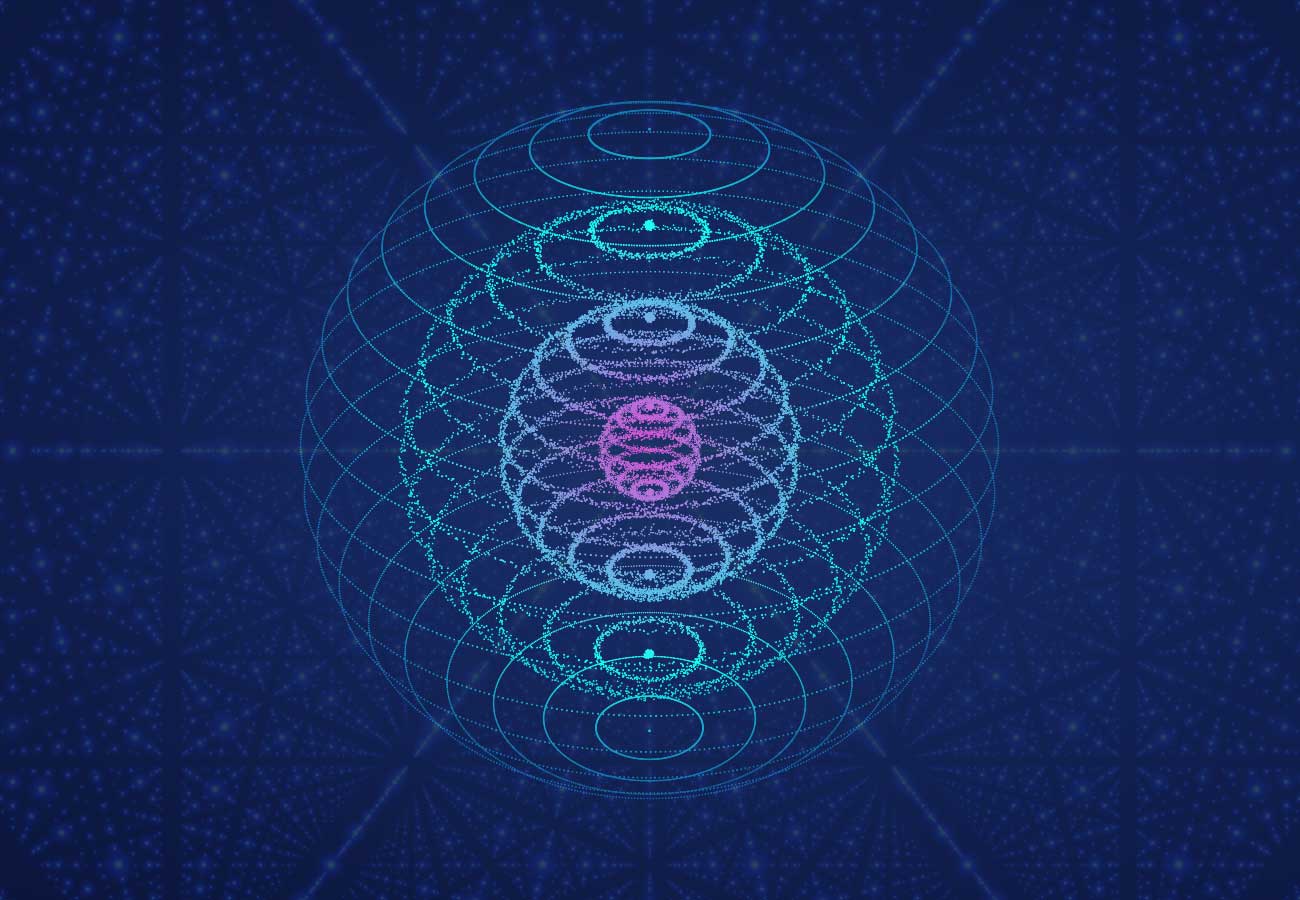
Spatialization (3D Audio): While early tape music experimented with panning, modern technology allows for “Ambisonics” and 100-speaker arrays where sound can move vertically, horizontally, and diagonally around a listener with pinpoint accuracy.
The Fluxus Sonus Perspective
For Fluxus Sonus, the importance of this style lies in its rejection of the “either/or” mentality. They recognize that a field recording of a thunderstorm (Organic) is just as musically valid as a complex FM synthesis patch (New Tech).
By embracing both the gritty, tactile history of tape music and the crystalline precision of spectral digital tools, Fluxus Sonus serves as a vital vehicle for:
- Preservation: Keeping the artisan techniques of the 1950s alive so the “human touch” isn’t lost to automation.
- Creation: Commissioning works that challenge listeners to find beauty in the unconventional.
- Expansion: Pushing the boundaries of how sound interacts with space and technology.
Ultimately, Fluxus Sonus ensures that the electroacoustic tradition remains a surging, living force—reminding us that whether the medium is magnetic tape or binary code, the goal remains the same: the infinite expansion of musical expression.